Filters
Tattoo Ideas
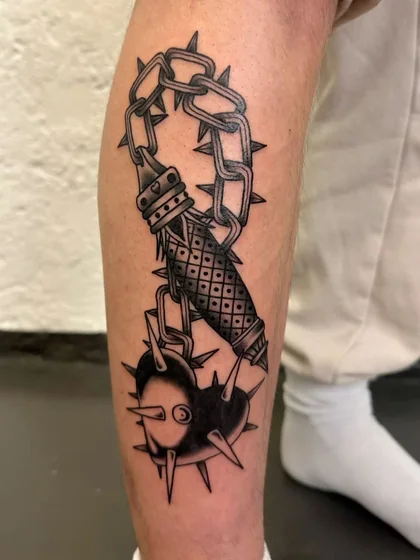
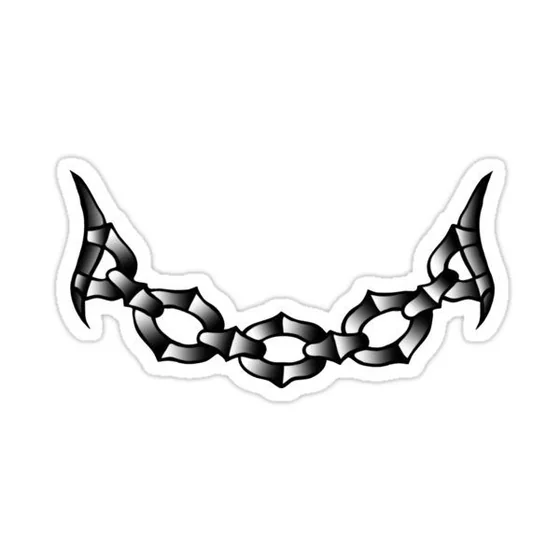

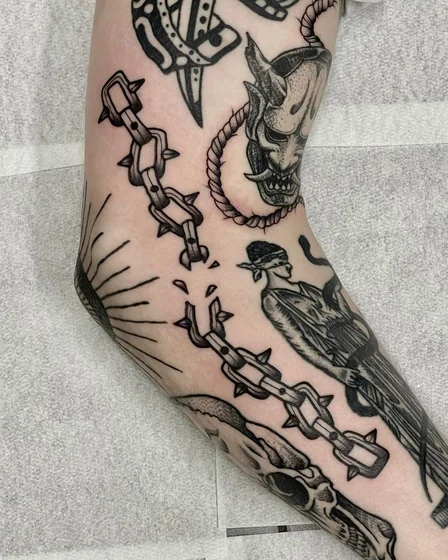
3D Virtual Try-On
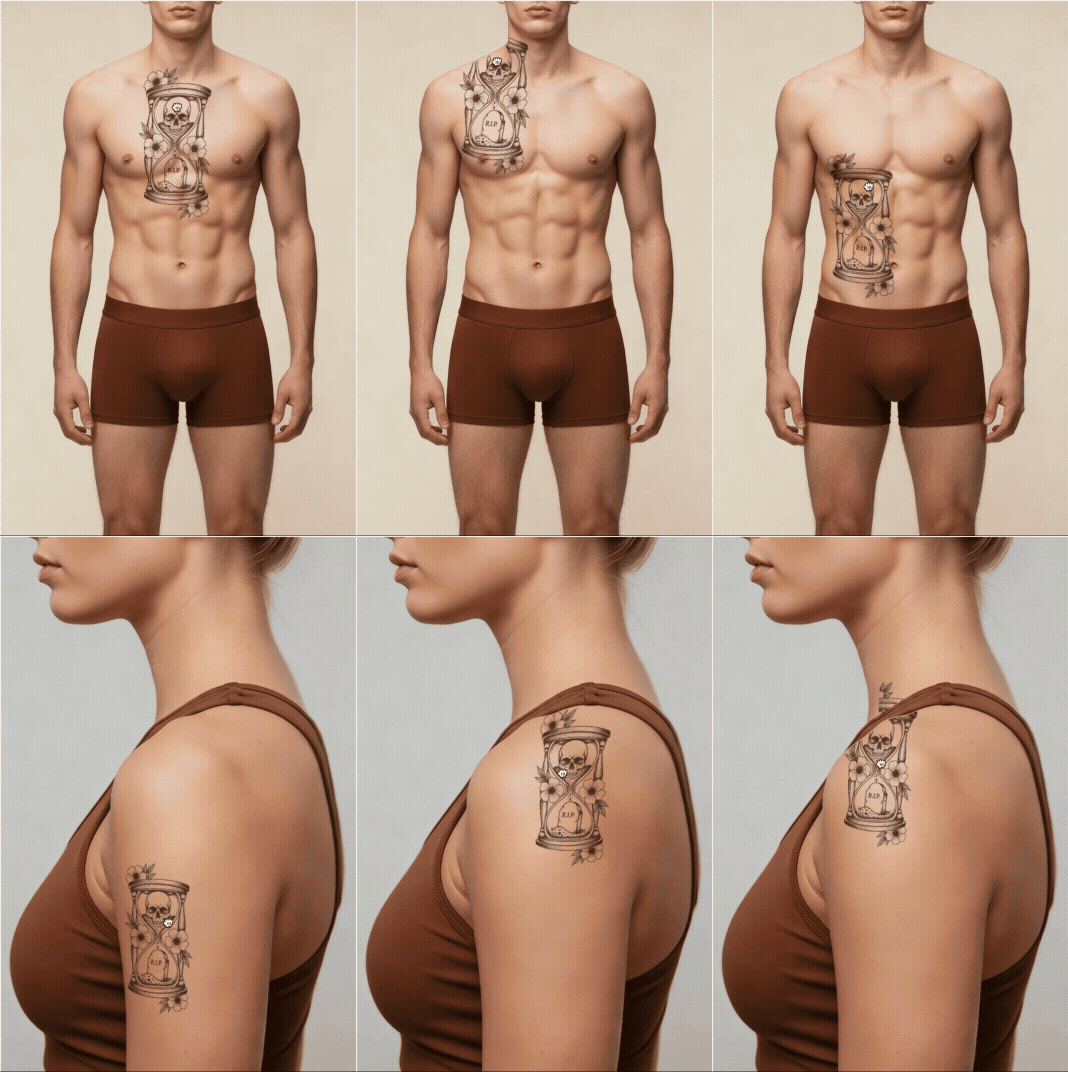
Stop guessing. See exactly how your tattoo will look on your body. Upload your design, and visualize it instantly.
- Realistic 3D skin simulation
- Multiple body positions
- Upload your own design
Defining Traditional Flash
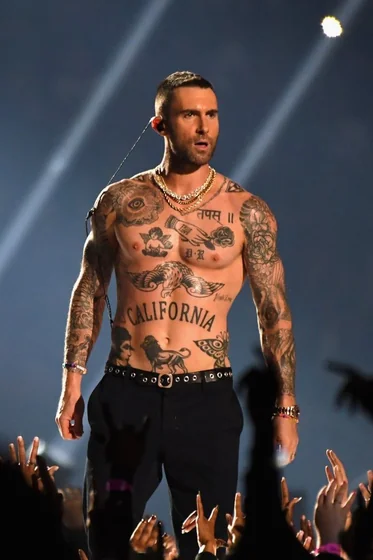
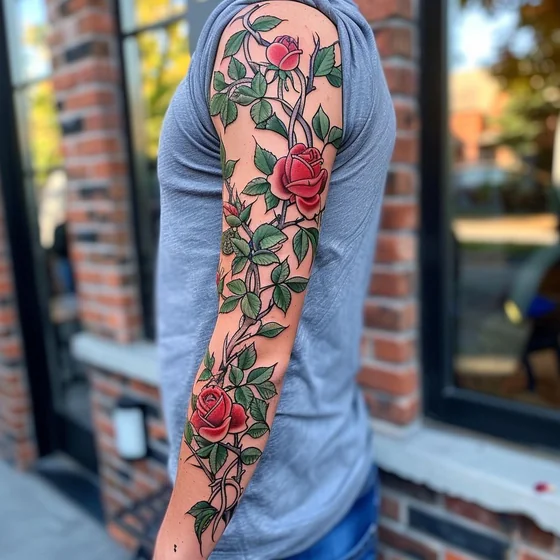
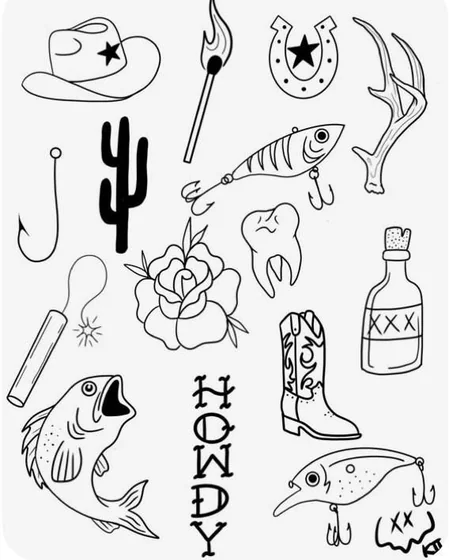
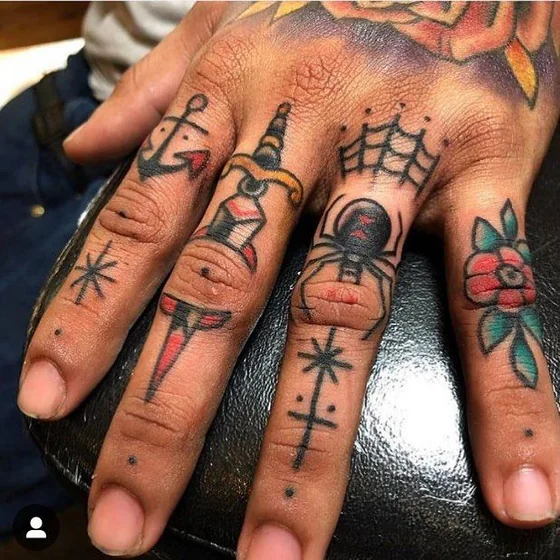
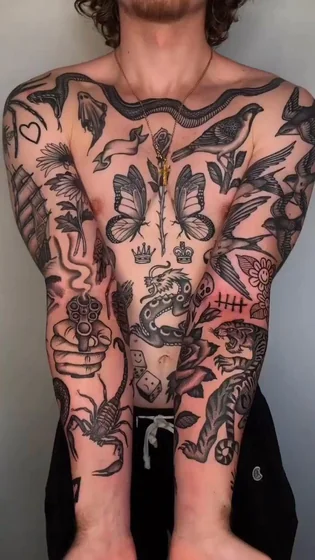
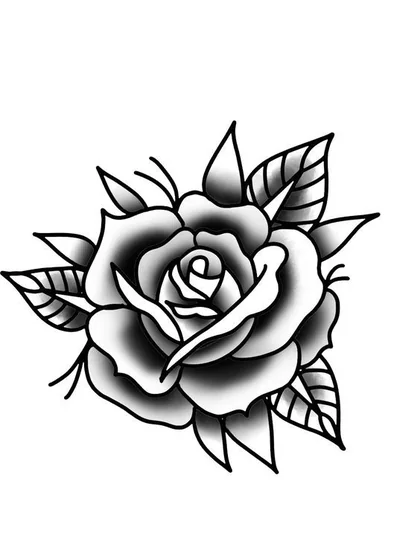
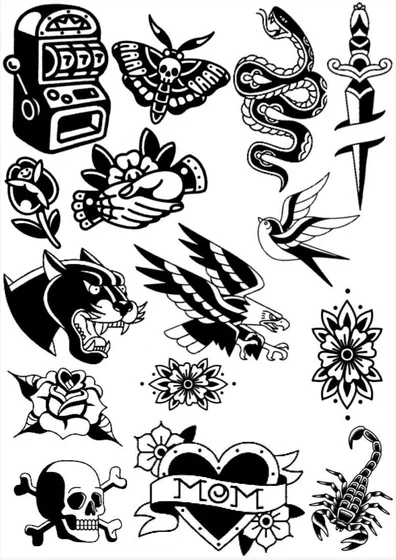
American traditional tattoo flash is a distinct artistic style characterized by heavy black outlines, minimal shading, and a saturated primary color palette (red, green, yellow, blue). Designed originally for maritime durability, these tattoos prioritize readability and structural integrity over intricate detail, ensuring the image remains crisp for decades.
Core Symbolic Motifs
- Maritime Roots: Anchors symbolize stability; swallows indicate 5,000 nautical miles traveled.
- Power Symbols: Eagles represent freedom; panthers signify physical prowess and stealth.
- Protection: Daggers and hearts often convey resilience through betrayal or loss.
Stylistic Variations & Selection Guide
Comparing Flash Categories
- Original Sailor Jerry: Best for historical purists. Features strict 2D composition and limited pigment use. High collector value.
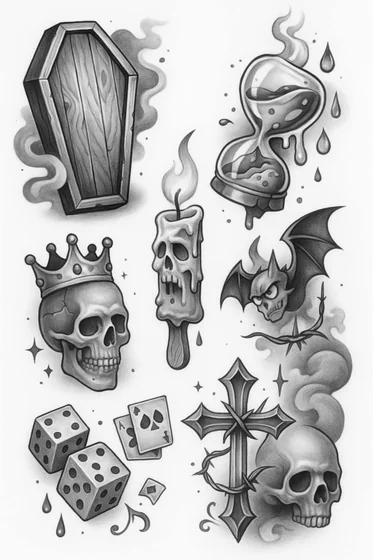
- Neo-Traditional: Ideal for modern aesthetics. Introduces variable line weights, illustrative depth, and broader color spectrums.
- Blackwork Traditional: Perfect for high-contrast visibility. Eliminates color entirely for a graphic, "stamp-like" effect on the skin.
Technical Specs & E-E-A-T Data
Pain & Timeline Expectations
- Pain Scale: 5/10 (Moderate). The heavy needle grouping for outlining causes a scratching sensation rather than sharp stinging.
- Session Duration: 2-3 hours for a standard palm-sized flash piece.
- Healing Window: Surface healing occurs in 14-21 days. Deep dermal regeneration takes 3-4 months.
- Longevity: High. Touch-ups are typically only required every 15-20 years due to the bold application method.
Placement & Gender Considerations
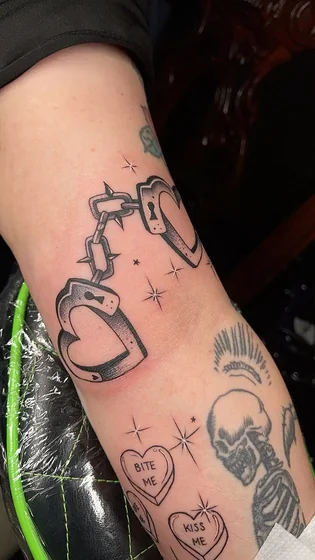
Traditional Americana relies on flat body planes to maintain geometric integrity. Masculine designs often occupy the deltoids or calves—view specific placement strategies for men. Feminine applications frequently utilize the forearm or thigh—explore curated options for women.
Explore More Styles
- Tattoo Ideas Collection: Browse our master library of ink inspiration across all genres.
- Tattoo Ideas for Men: Discover masculine designs ranging from rugged traditional to modern geometric.
- Tattoo Ideas for Women: Explore elegant and empowering motifs tailored for feminine placement.
- Tattoo 3D Try On: Visualize how traditional flash looks on your actual body before booking.
- Best Tattoo Design Agent: Generate custom Americana concepts using our advanced AI engine.