Filters
Tattoo Ideas
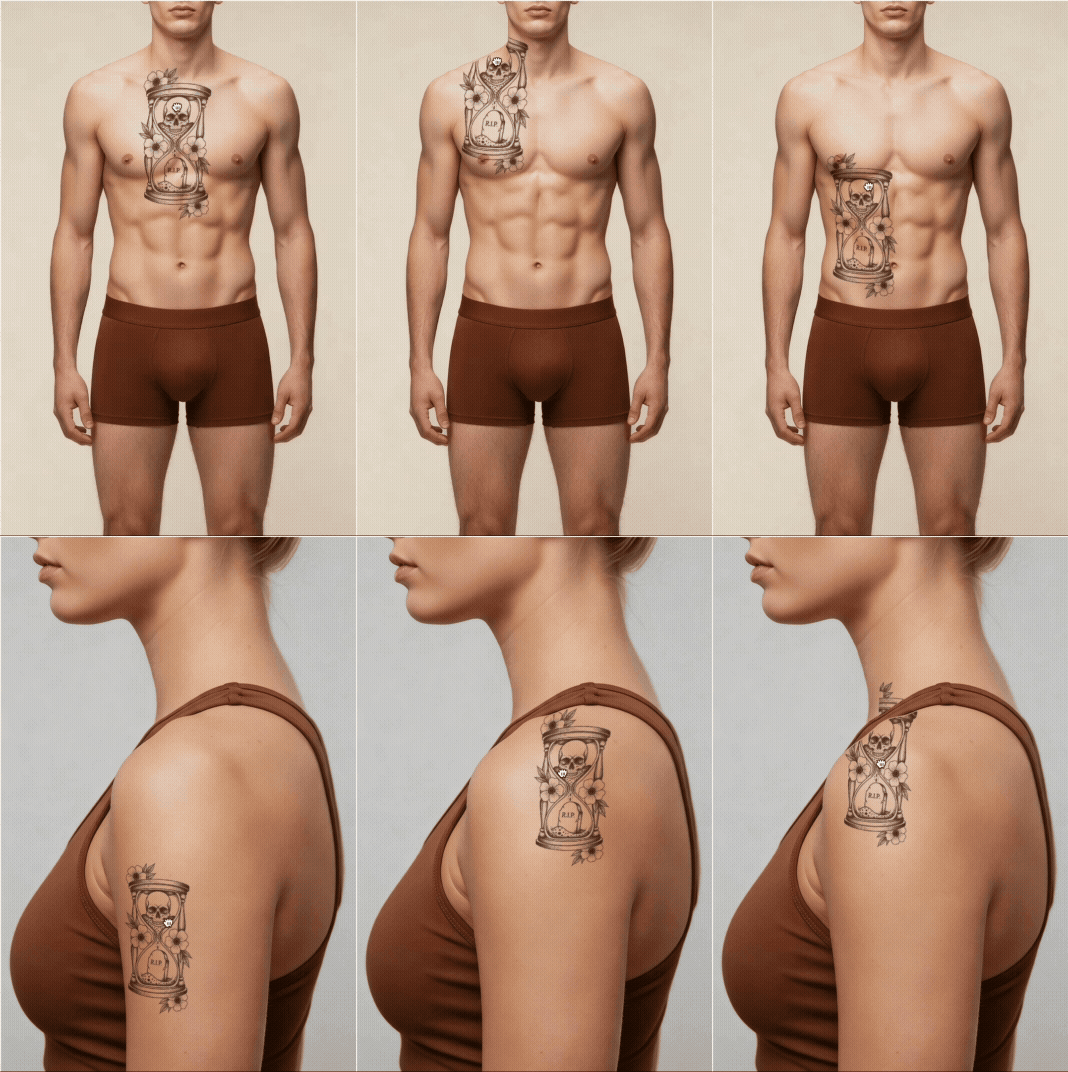
3D Virtual Try-On
Stop guessing. See exactly how your tattoo will look on your body. Upload your design, and visualize it instantly.
- Realistic 3D skin simulation
- Multiple body positions
- Upload your own design
What is a Patchwork Tattoo Collection?
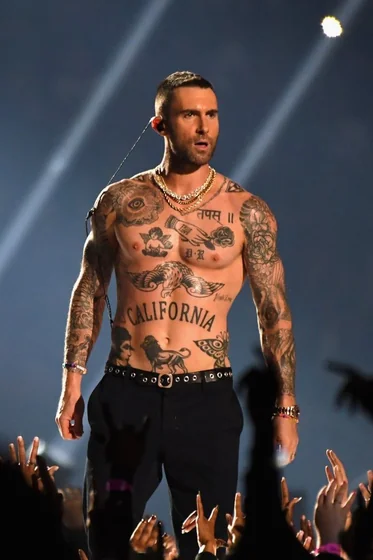
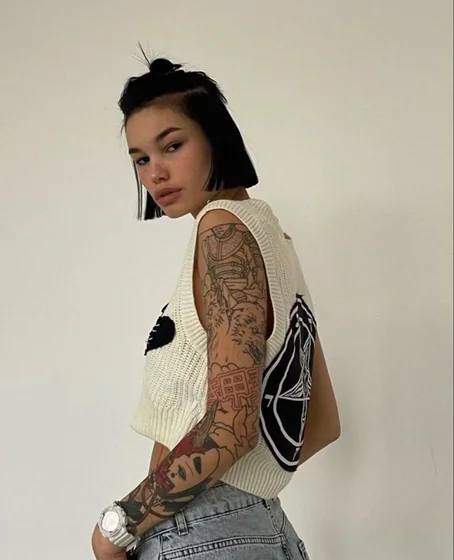
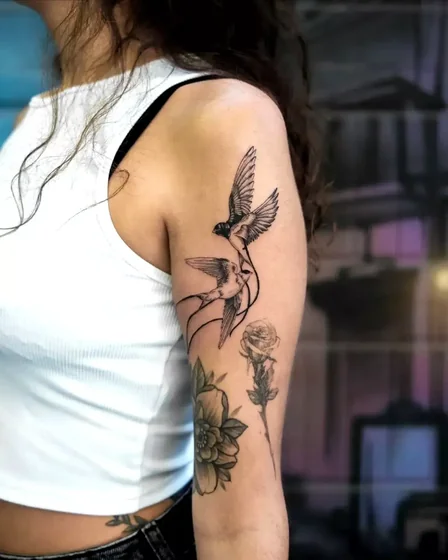
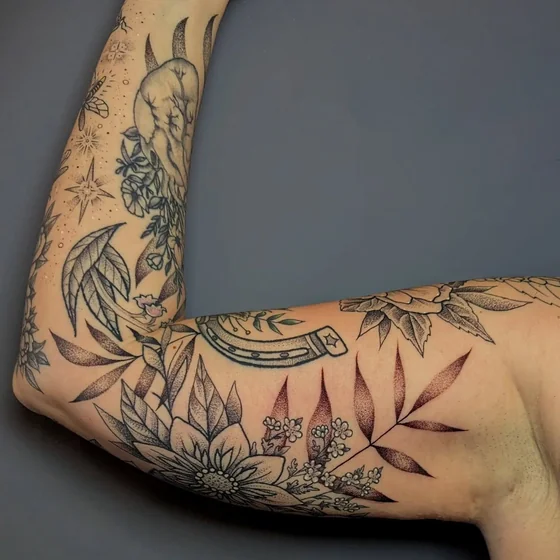
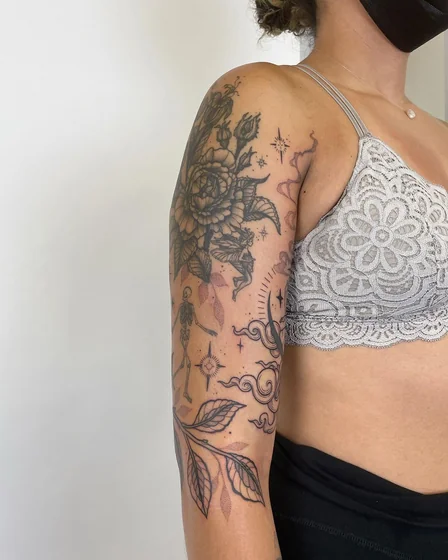
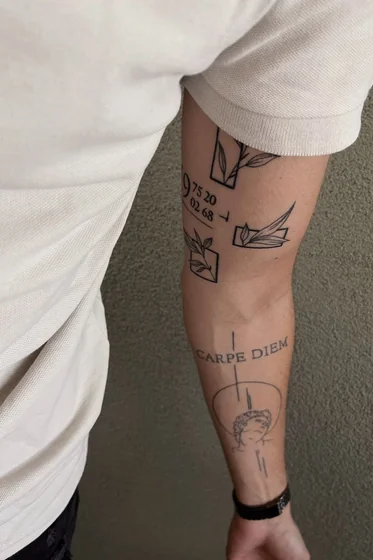
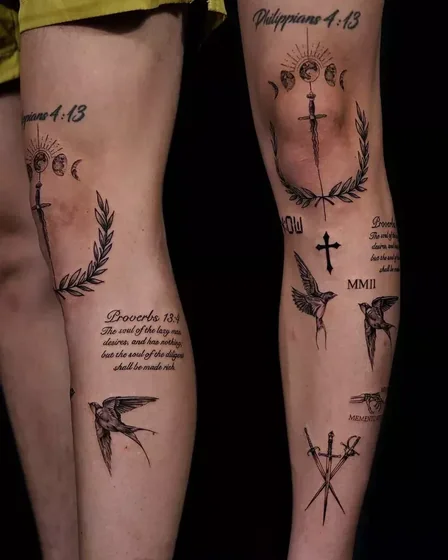
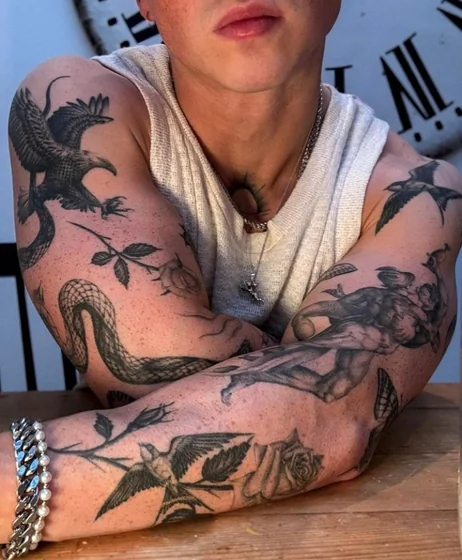
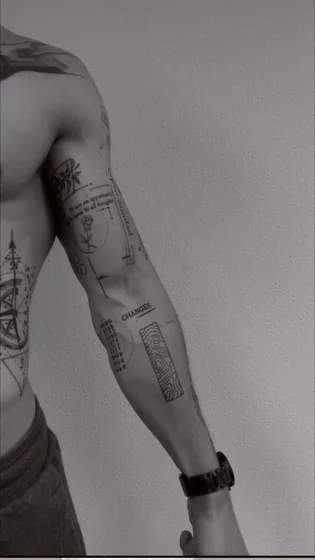
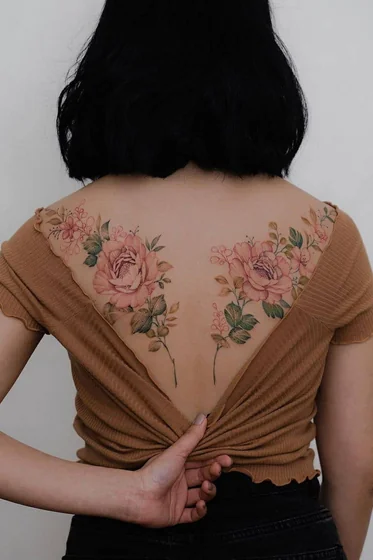
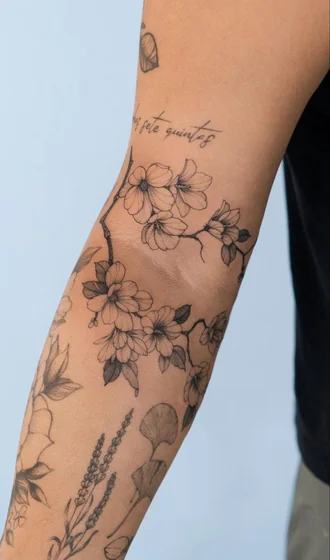
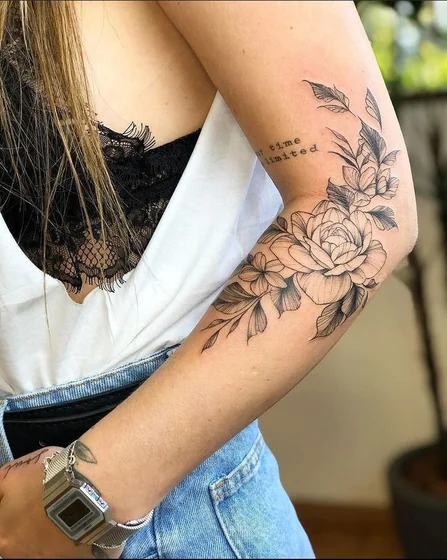
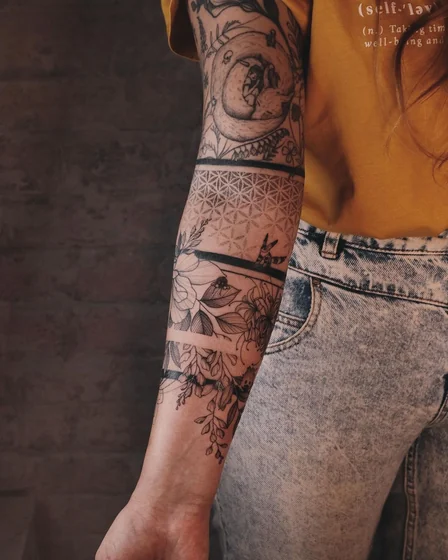
Patchwork tattoos (often referred to as "sticker sleeves") are a collage-style approach where individual, standalone designs are collected over time rather than planning a single cohesive image upfront. Unlike traditional sleeves that rely on heavy background shading to connect elements, patchwork relies on calculated negative space and thematic consistency to create visual harmony. This method offers the ultimate flexibility, allowing collectors to document their life journey one "patch" at a time without the commitment of a full-limb concept.
Why Collectors Choose the Patchwork Method
- Spontaneous Evolution: You can start with a single 3-inch piece today and add complementary designs months later as your aesthetic interests shift.
- Budget & Pain Management: Sessions are shorter (typically 1–3 hours) compared to full-sleeve marathons, spreading the cost and physical toll over years.
- Healing Timeline: Smaller individual pieces typically heal within 2–3 weeks, allowing for a faster return to normal activities between sessions.
How to Maintain Visual Harmony
To prevent a patchwork collection from looking like a random sketchbook, adhere to specific design principles:
- Consistent Line Weight: Stick to a specific needle gauge (e.g., bold traditional lines vs. fine-line detail) across all pieces to unify the look.
- Palette Discipline: Decide early between Black & Grey or Color. Mixing them randomly can disrupt the flow, though a 80/20 split can work as a deliberate accent.
- The "Gap" Rule: Maintain 1.5–3cm (approx. 1 inch) of negative space between tattoos. This "breathing room" ensures each design remains readable and prevents the "muddy" look of overcrowding.
Style Comparison: Finding Your Direction
- Traditional Patchwork: Uses bold outlines and limited color palettes. Best for: Longevity and high contrast. Pain Scale: 4/10 (due to thicker lines).
- Mixed Media Collage: Blends realism with abstract geometry. Best for: Storytelling and modern aesthetics. Pain Scale: 5/10 (varies by shading density).
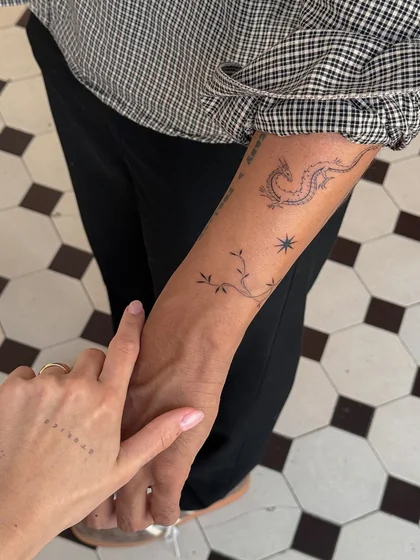
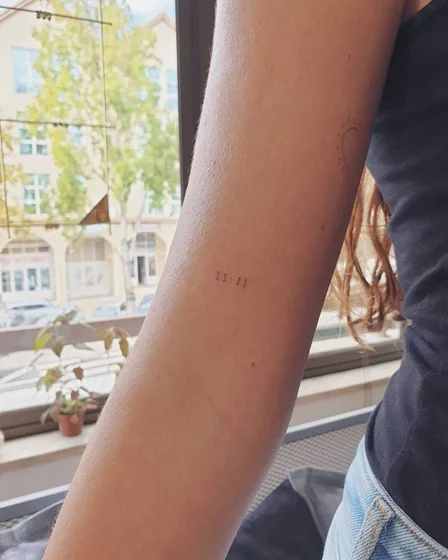
- Minimalist Linework: Fine illustrations with ample skin breaks. Best for: Professionals needing subtle ink. Pain Scale: 3/10 (light touch).
Strategic Placement for Starters
- Forearms (High Visibility): The most popular starting point. The flat surface creates a natural gallery wall for 3–5 medium-sized pieces.
- Thighs (Large Canvas): Ideal for larger 5+ inch pieces that require more detail. Offers discretion during the "awkward phase" of building the collection.
- Avoid Contours Early: Save elbows, knees, and shoulders for later. These high-movement areas distort images and are better suited for filler elements (like spiderwebs or stars) once the main collection is established.
Gender-Specific Inspiration
Masculine collections often emphasize bold imagery with darker themes—explore tailored approaches for men. Feminine aesthetics typically feature delicate linework and softer color palettes—discover curated options for women.
Explore More Styles
- Tattoo Ideas Collection: Browse our comprehensive library of styles to find your next patch.
- Tattoo Ideas for Men: Rugged and bold designs perfect for building a masculine sleeve.
- Tattoo Ideas for Women: Elegant and intricate motifs to expand your collection.
- Tattoo 3D Try-On: Visualize how a new patch will fit into your existing gaps before you ink.
- Best Tattoo Design Agent: Generate custom filler pieces or main designs using AI technology.