Filters
Tattoo Ideas
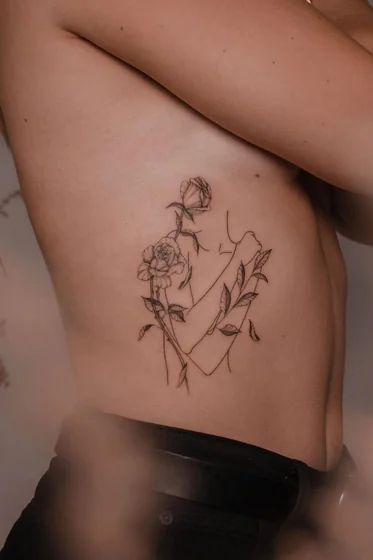
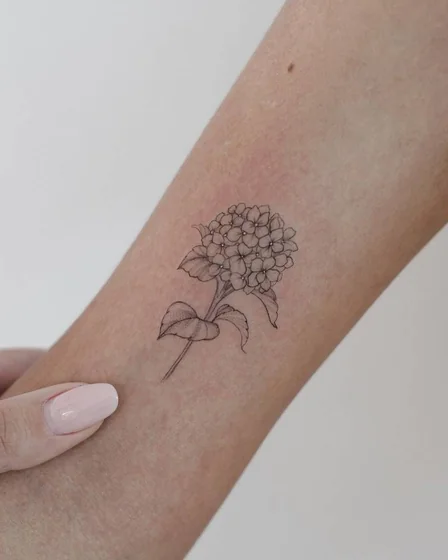
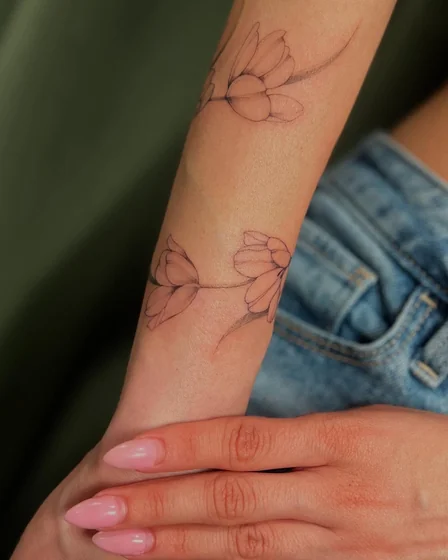
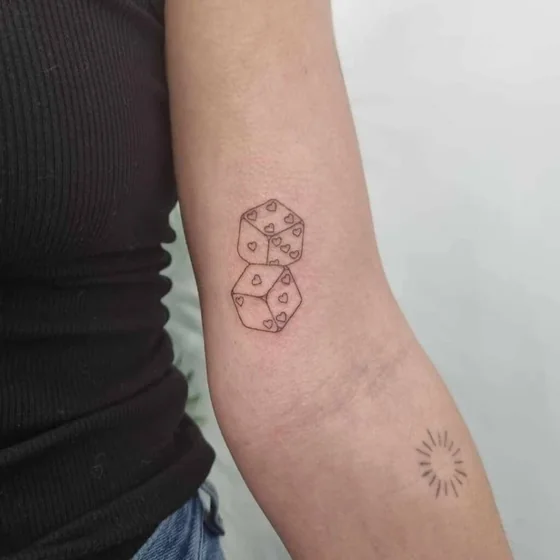
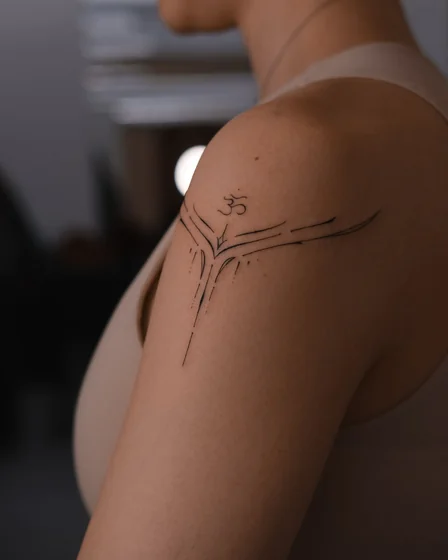
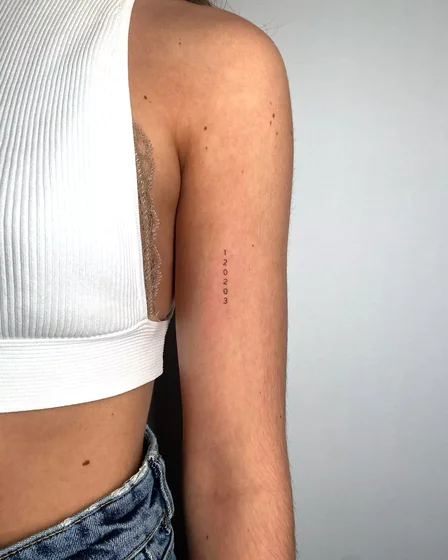
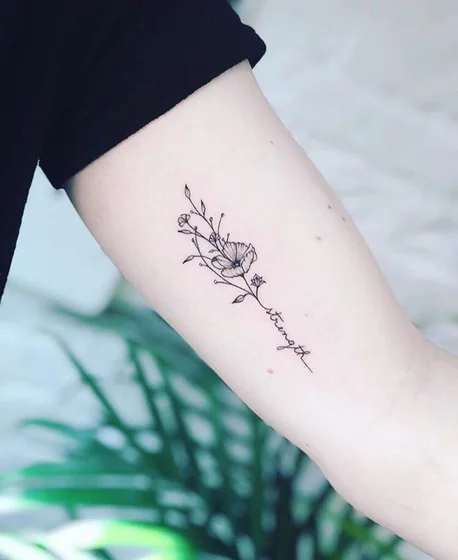
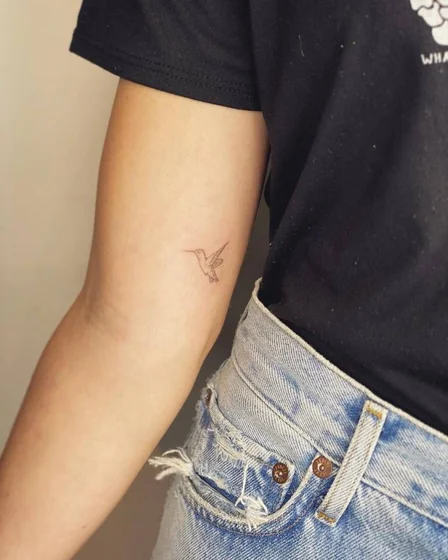
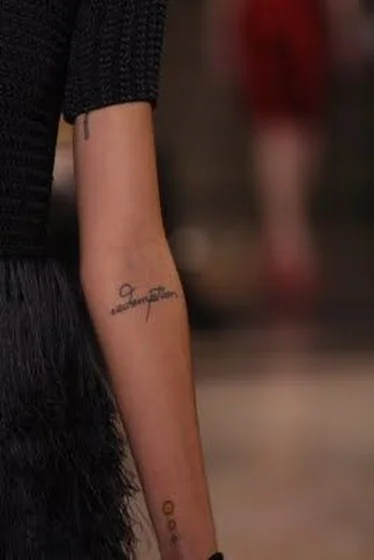
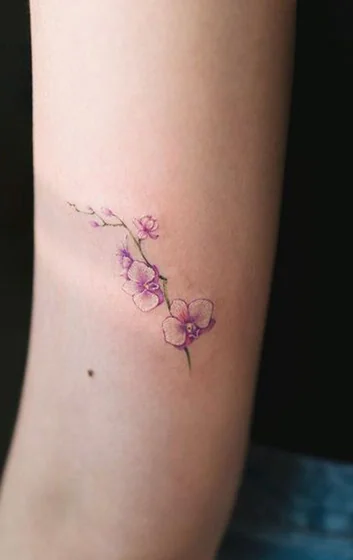
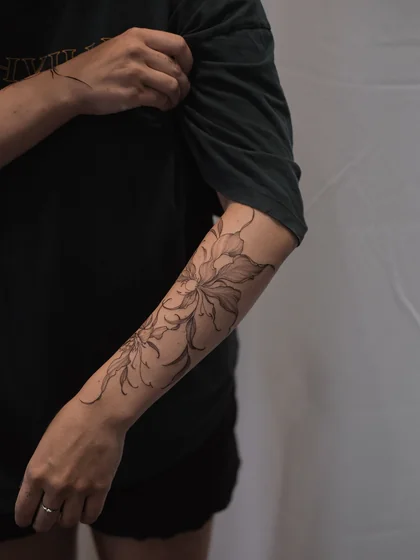
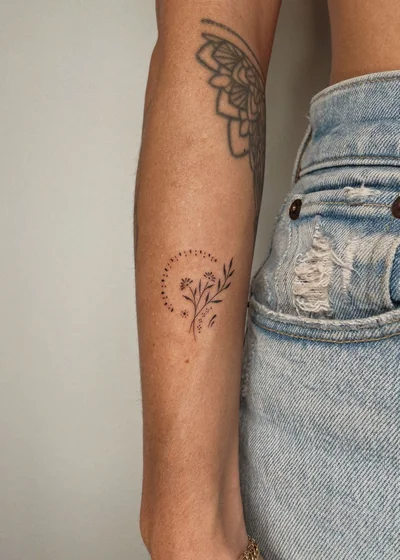
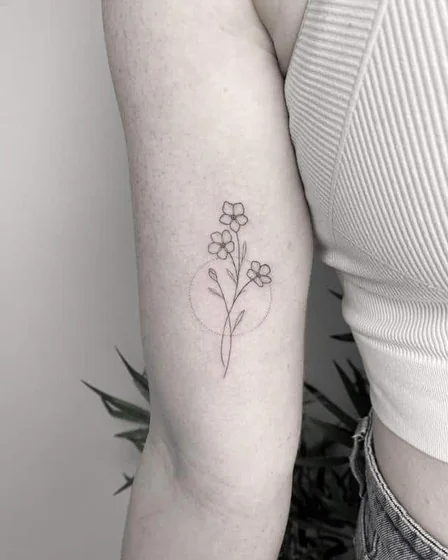
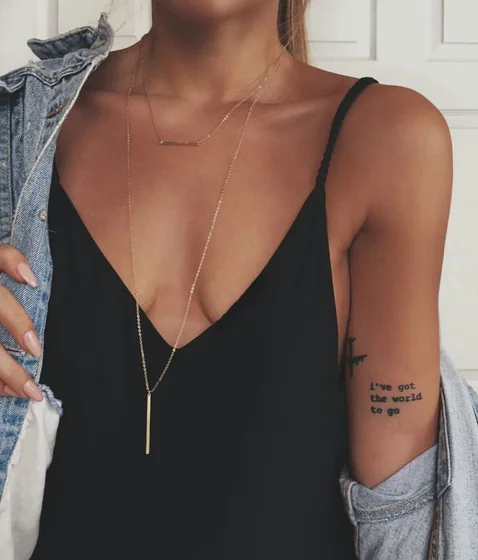
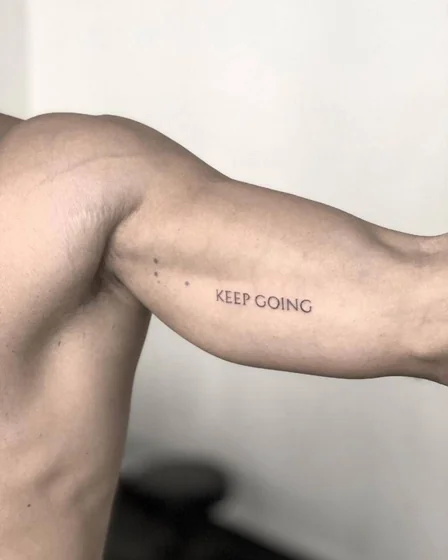
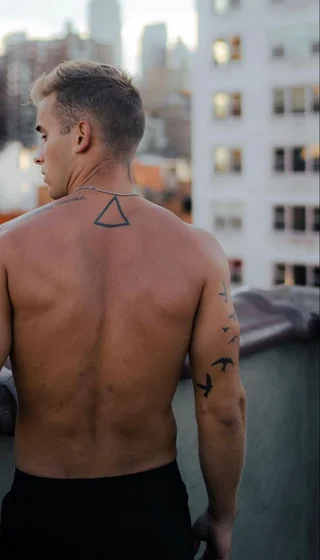
3D Virtual Try-On
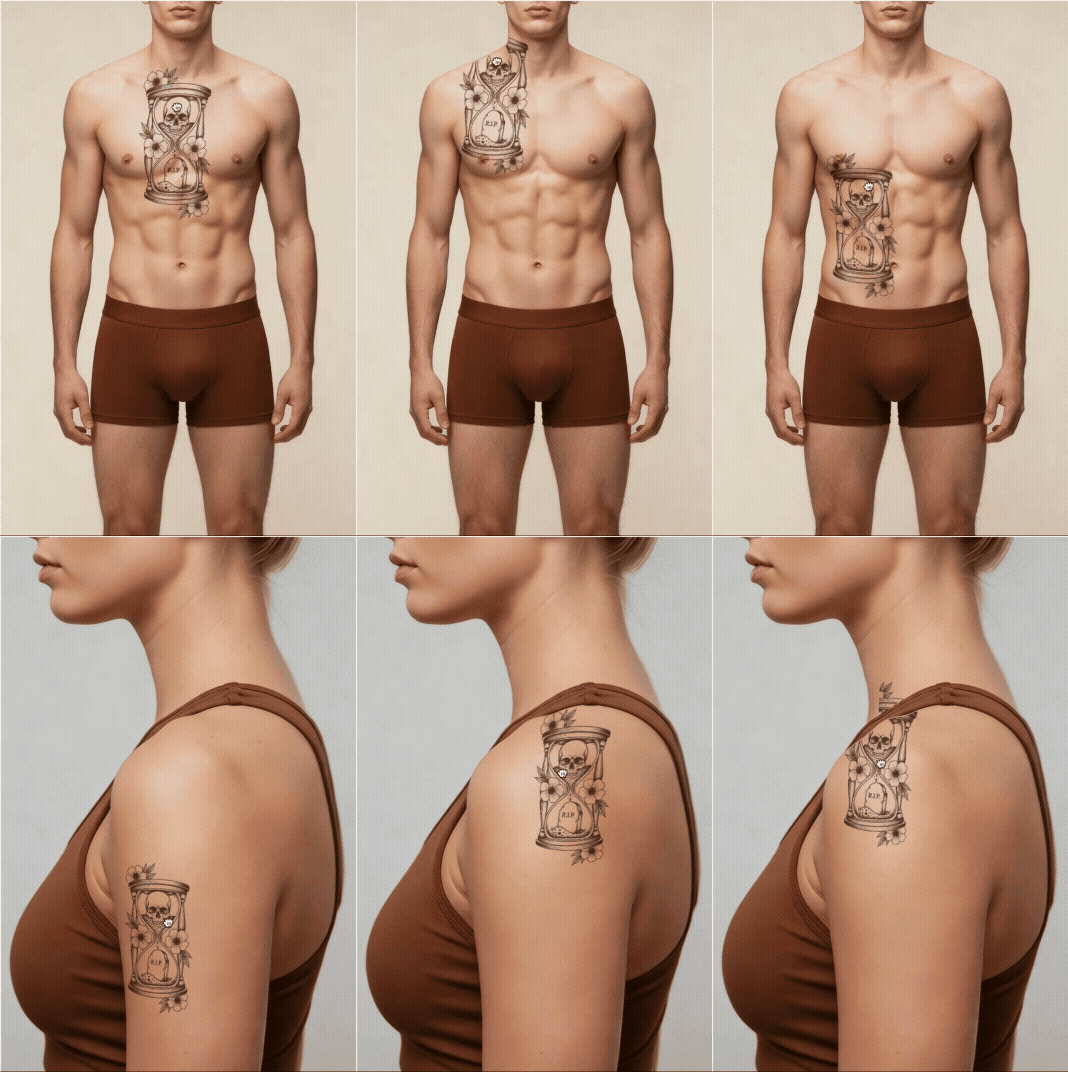
Stop guessing. See exactly how your tattoo will look on your body. Upload your design, and visualize it instantly.
- Realistic 3D skin simulation
- Multiple body positions
- Upload your own design
The Precision of Minimalist Ink
Small tattoos represent the ultimate exercise in restraint, utilizing negative space and precise linework to convey complex meaning in under three inches. Unlike traditional styles that rely on shading to mask imperfections, minimalist ink demands flawless execution where every millimeter serves a critical visual purpose. This discipline separates forgettable small work from sophisticated designs that maintain their integrity for decades.
Quick Fact Sheet: Small Tattoos
| Feature | Details |
|---|---|
| Ideal Placement | Inner Forearm, Ankle, Upper Ribs |
| Pain Level | Varies: 3/10 (Arm) to 8/10 (Ribs) |
| Healing Time | 2-3 Weeks (Surface), 3 Months (Deep) |
| Starting Price | $80 - $150 (Shop Minimums Apply) |
What Makes Minimalist Designs Age Well
The most common failure point for small tattoos is "over-designing"—cramming excessive detail into a limited surface area. As skin ages, lines naturally migrate; a design that looks crisp today can become indistinguishable if not engineered for longevity.
Key Structural Rules
- Line Spacing: Designs must maintain at least 2-3mm of negative space between lines to prevent merging (blowouts) as skin cells regenerate.
- Iconography over Illustration: Successful tiny pieces function like icons. A single-line rose silhouette remains readable for 15+ years, whereas a photorealistic micro-rose may blur within 4-5 years.
- Line Weight Balance: Ultra-fine lines face a higher risk of fading (dropout). Experienced artists find a "sweet spot"—delicate enough for elegance, but bold enough to hold in the dermis.
Strategic Placement for Lasting Clarity
Not all skin is created equal. The longevity of a small tattoo is directly correlated to the stability of the canvas it is placed on.
High-Longevity Zones
- Outer Forearms & Shoulders: The skin here is thick and experiences minimal stretching. Designs placed here maintain sharpness longest.
- Upper Back: Protected from daily UV exposure and friction, making it ideal for fine-line work.
High-Maintenance Zones
- Hands & Fingers: These areas face constant UV exposure, washing, and friction. Expect fading within 2-3 years and budget for regular touch-ups.
- Inner Wrist: While popular, the skin is thin and moves constantly. A heart outline here may need refreshing every 3-5 years compared to 10+ years on a shoulder blade.
Matching Designs to Personal Style
Minimalism is versatile. Your choice of motif can align with specific aesthetic goals, from romantic to geometric.
- Geometric Forms: Three connected circles or triangles rely on perfect symmetry. These represent stability and are gender-neutral.
- Floral Motifs: A rose profile with a simple stem offers timeless appeal. These pieces suit both masculine aesthetics for men (often bolder lines) and delicate preferences for women (finer, singular lines).
- Text & Script: For longevity, avoid script fonts under size 12pt. Clean sans-serif or serif fonts age significantly better than cursive at small scales.
Color Versus Black: The Contrast Debate
The Case for Black Ink
Black ink provides maximum contrast against all skin tones and is the most stable pigment. It allows for the sharpest definition, which is crucial when the design is only a few centimeters wide.
The Risks of Color
- Blowouts: Packing color into tiny spaces requires more needle passes, increasing trauma and the risk of ink spreading.
- Uneven Fading: Yellows and pinks fade faster than darker tones. In a miniature design, if one petal disappears, the entire image loses coherence.
- Recommendation: If you must use color, use it as a single accent point (e.g., a red heart center) rather than a full fill.
Realistic Cost Expectations
Do not equate "small" with "cheap." Most reputable studios enforce a shop minimum ranging from $80 to $150. This covers sterilization, setup, and the artist's expertise, regardless of whether the tattooing takes 15 minutes or an hour.
Pro Tip: Complexity drives cost more than size. A micro-realism piece requiring single-needle precision may cost significantly more than a slightly larger, simple outline.
Aftercare for Delicate Designs
Because the surface area is small, any infection or scarring can ruin the entire design. Strict adherence to aftercare is non-negotiable.
- Do Not Pick: A single picked scab can create a permanent gap in a fine line.
- Sun Protection: UV rays are the enemy of fine lines. Once healed (after 3-4 weeks), apply SPF 30+ daily to prevent the ink from breaking down and blurring.
- Moisturize: Keep the skin hydrated to maintain line vibrancy.
Explore More Styles
- Tattoo Meanings: Decode the hidden symbolism behind popular minimalist motifs before you ink.
- Tattoo 3D Tryon: Eliminate regret by virtually testing your small tattoo design on your own body photo.
- Tattoo Ideas for Women: Browse curated feminine collections that blend delicacy with strength.
- Tattoo Ideas for Men: Discover masculine minimalist concepts focusing on geometry and bold lines.
- Tattoo Ideas Collection: Explore our full library of design inspiration across all styles and sizes.
- Best Tattoo Design Agent: Generate unique, custom minimalist designs instantly using AI technology.